
Honoring a Hero: What the Plainville Firefighter Tragedy Teaches Us About Workplace Safety and Workers’ Comp
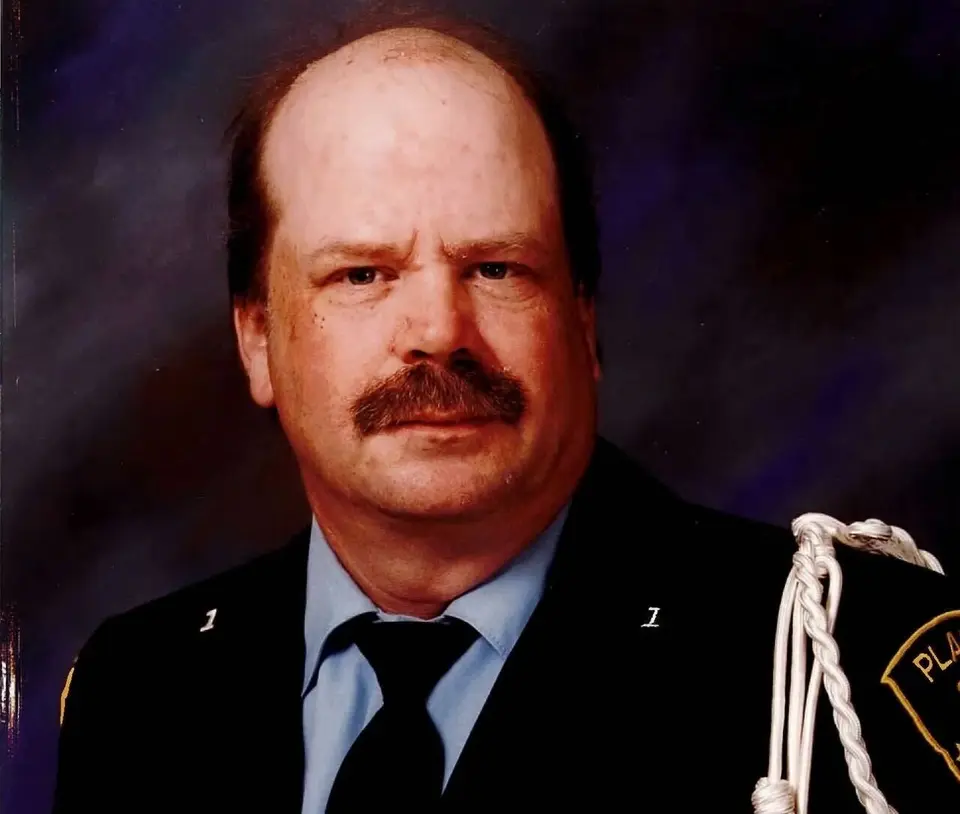
A CT workers comp lawyer would tell you this tragic case has lessons for every worker and employer.
On July 27, 2025, Raymond “Ray” Moreau—the beloved 60‑year‑old volunteer firefighter from Plainville, Connecticut—died in the line of duty . A piece of fire apparatus became dislodged and fatally struck him during a house fire response on Maria Road. He suffered catastrophic leg injuries and passed away during surgery. The Office of the Chief Medical Examiner ruled his death accidental, caused by blunt force trauma to multiple parts of his body.
Community Comes Together: Procession and Memorial
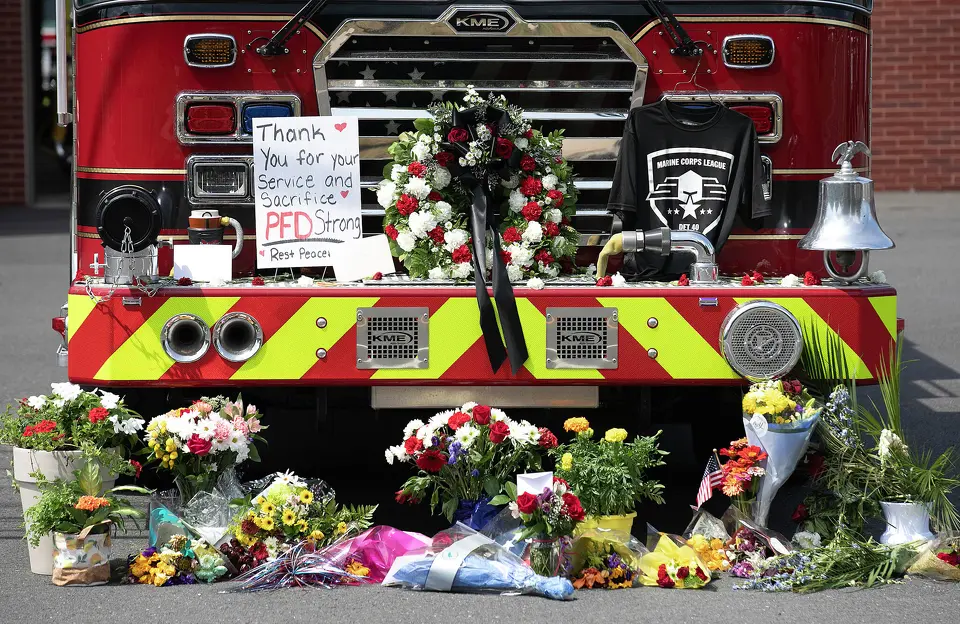
On July 28, a solemn procession escorted Moreau’s body from the medical examiner’s office, past his fire station, and onward to a funeral home. It was a moving display of solidarity—fire and police vehicles flanked the hearse, townsfolk lined the streets, and a memorial tribute formed at the station with flowers, pictures, flags, and heartfelt messages.
That evening, a public memorial was held at Plainville High School’s Tinty Stadium, giving everyone a chance to gather and pay tribute—even those unable to attend the funeral or wake. Governor Ned Lamont ordered flags to fly at half‑staff as a mark of respect.
Under Connecticut workers’ compensation laws, even volunteers or unpaid first responders may be entitled to protections or benefits when injured or killed during active duty.
Why Does This Matter to Workman’s Comp?
While this devastating event happened in an emergency service context, it underscores key themes relevant to workers comp. According to a CT workers comp lawyer, equipment failure and improper maintenance are major factors in many injury claims.
• Accidental Death Meets Benefits Eligibility
Workplace injuries—even the most unforeseen ones—can entitle survivors or dependents to death benefits under workers comp laws. Although Moreau was a volunteer, his situation draws attention to the frameworks that exist for paid and unpaid duty injuries alike.
• Equipment Safety Counts
The accident was triggered by equipment failure—a piece of fire truck apparatus broke off. Proper inspection and maintenance protocols are central in workplaces, especially those involving heavy machinery. Under workers comp regimes, unsafe conditions contributing to injury are often pivotal in securing a claim.
• Investigation and Documentation Matter
Connecticut State Police, CONN‑OSHA (Connecticut Occupational Safety and Health, and fire investigators are conducting a full investigation. In workers’ comp claims, thorough documentation—from incident reports and medical examiner findings to OSHA logs—strengthens eligibility for benefits.
• Support for First Responders and Families
Workers comp isn’t just about medical bills—it covers lost wages, survivor benefits, funeral expenses, and more. For firefighters, paramedics, construction workers, factory laborers, and others, having the right support structures is critical after a trauma.
• The Role of Witnesses and Community Statements
Local residents came forward with statements and support—some witnessed Moreau being struck and aided at the scene. That kind of eyewitness documentation can reinforce workers comp claims, particularly when multiple people corroborate the facts.
What Employers and Workers Should Learn
- Routine equipment checks matter: gears, trucks, tools—all need regular inspections to prevent accidents.
- Clear procedures for emergency responses must be in place, with continuous training.
- Accident documentation: video, photos, witness statements, and incident logs help if a workers comp claim becomes necessary.
- Knowing rights: employees and volunteers should understand their entitlements under both workers comp and workmans comp laws.
Remembering Ray: Human Stories Behind Legal Terms
What Employers and Workers Should Learn
Ray wasn’t just an accident statistic. He was admired by his town as a quiet, steadfast professional. Town Council Chair Christopher Wazorko called him “a great guy,” while State Police Trooper Kate Coney praised his dedication, saying he volunteered “tens of thousands of hours” and was a “consummate professional”
Local business owners delivered pizzas and snacks to the grieving crew at the firehouse, saying small gestures helped ease the pain. The Plainville Hot Air Balloon Festival—an event he helped organize—was remembered as part of his ongoing legacy of community service.
For families or workers navigating similar crises—or searching for information on workers comp or workmans comp benefits—understanding rights, gathering proper documentation, and consulting experienced professionals can make all the difference.For anyone navigating the complexities of Connecticut workers’ compensation, consulting a knowledgeable attorney can provide clarity and help secure the benefits you deserve.
Hurt on the Job? Talk to an Experienced Workman’s Comp Lawyer TODAY!
Related Articles



Millions recovered. Hundreds of lives changed. One team that doesn’t back down

Serious accidents. Relentless insurance companies. We fight back for real people across Hartford, New Haven, and beyond.
QUICK LINKS
Copyright © 2025 | L.A. LAW All Rights Reserved.
 EN
EN  ES
ES  PT
PT